Pet-safe and low-smell herbs for apartments (2026)
Apartment herb picks when you have cats or dogs — what to grow, what to skip, low-smell options for studios, and how to keep reservoirs out of reach.
What we’d put on the counter
Pets change the herb plan. The goal is not a sterile home — it is no chewed alliums, no tipped nutrient water, and no perfume cloud in a studio.
Disclaimer: Toxicity varies by animal, amount, and plant part. Confirm specific plants with a vet or a trusted toxicity database (e.g. ASPCA) before leaving greenery where pets graze. This guide is rental/apartment setup advice, not medical guidance.
Quick picks
| Goal | Grow | Skip or isolate |
|---|---|---|
| Cats/dogs that chew plants | Parsley, basil (out of reach) | Chives, garlic greens, onion family |
| Low smell in a studio | Parsley, young basil in small pots | Big mint thickets, heavy rosemary |
| Covered / harder to tip | Click & Grow or kit with stable base | Tall top-heavy towers on skinny stands |
| DIY under $50 | Under-$50 Sill Kit on a high sill | Floor-level jar farms |
Decision rules
- Assume curious pets will taste leaves — elevate or gate pots.
- Allium family is the hard no for chewers — chives look innocent and are a common mistake.
- Nutrient water is not a pet bowl — cover reservoirs; wipe spills.
- Smell is dose-dependent — three mint pots beside the bed will perfume the room; one parsley pot will not.
- Kit pods reduce soil digging but do not make a plant “pet proof.”
Generally kitchen-friendly starters (still elevate)
These are common cooking herbs many apartments grow with pets present. Still keep them where animals cannot make a meal of them:
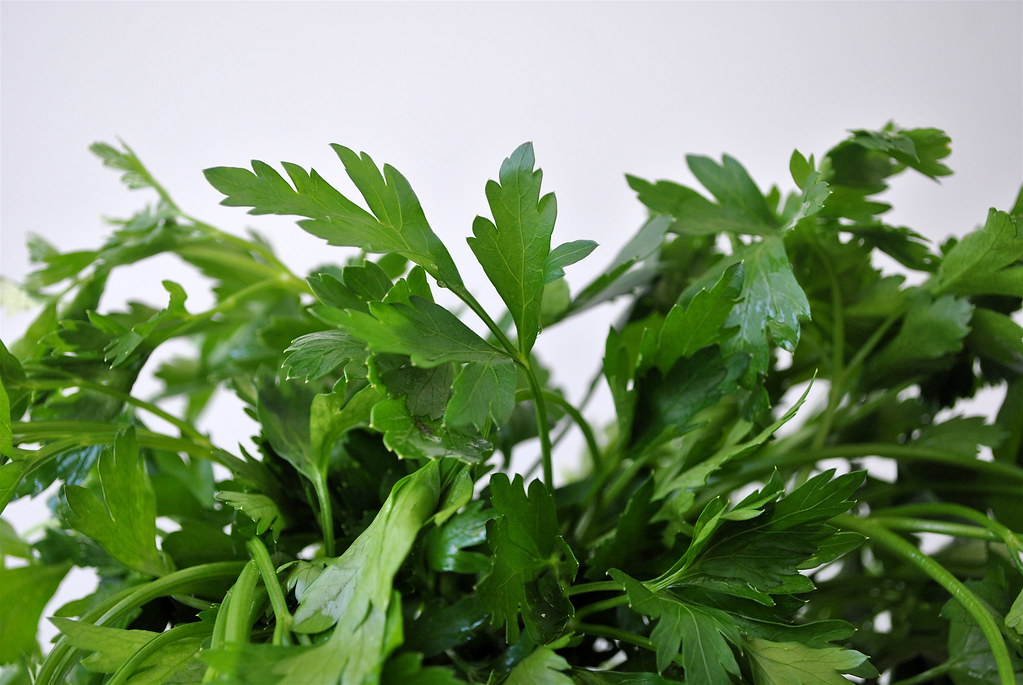
- Parsley — mild smell, weekly use → parsley first harvest
- Basil — stronger aroma when brushed; great in kits → basil guide
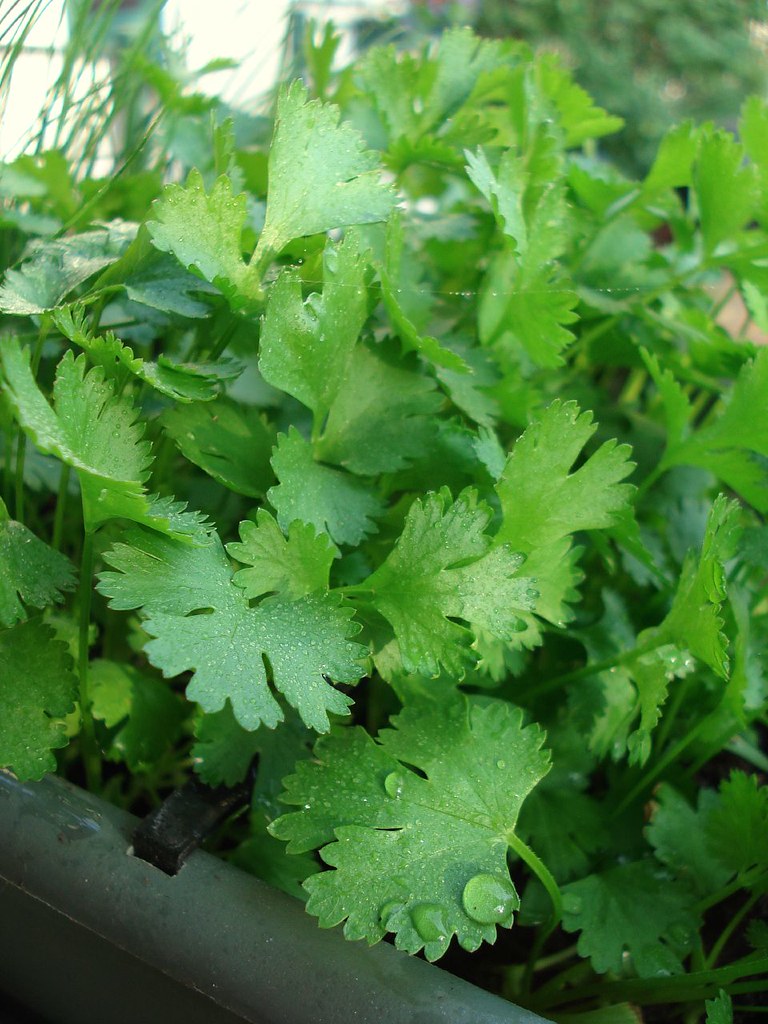
- Cilantro — aromatic when cut; grow small amounts → cilantro guide
Treat with extra caution
- Chives / garlic greens / onion family — commonly listed as toxic to dogs and cats. Skip if pets graze.
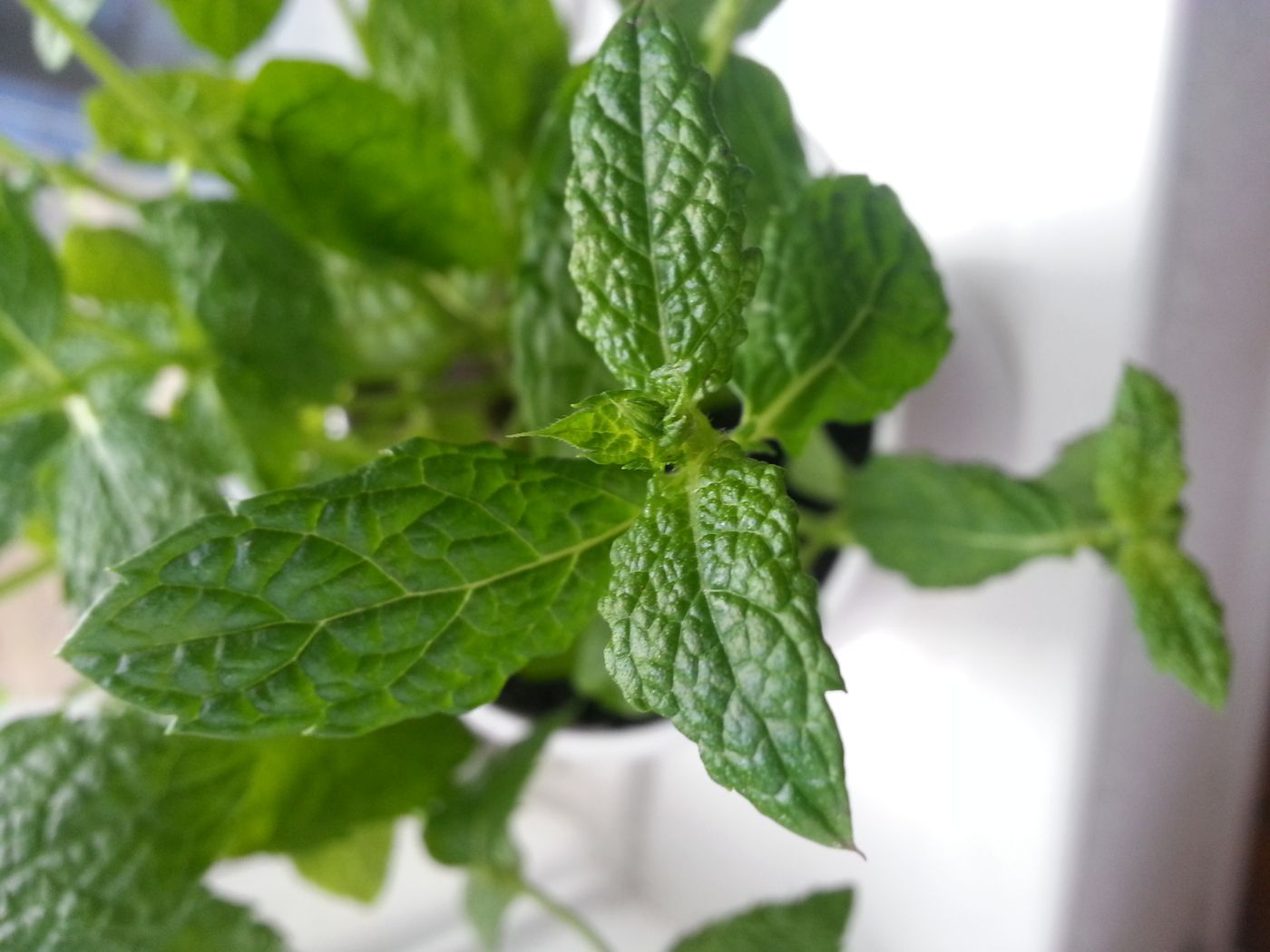
- Large mint patches — usually not the toxicity headline, but mint can upset stomachs in quantity and the smell fills a studio. One pot on a high sill is enough.
- Essential-oil “pet safe” sprays — unrelated to growing food herbs; do not improvise.
Low-smell studio strategy
| Do | Don’t |
|---|---|
| One mild herb at a time near the bed | A mint hedge on the nightstand |
| Harvest often (less blooming scent) | Let herbs flower and perfume the room |
| Use a light hood / schedule for kits | 16-hour LED blast beside a pillow |
| Prefer parsley + basil rotation | Rosemary + lavender “spa shelf” in 200 sq ft |
Quiet + low drama stacks: Studio Silence Kit and quiet gardens guide.
Placement and hardware
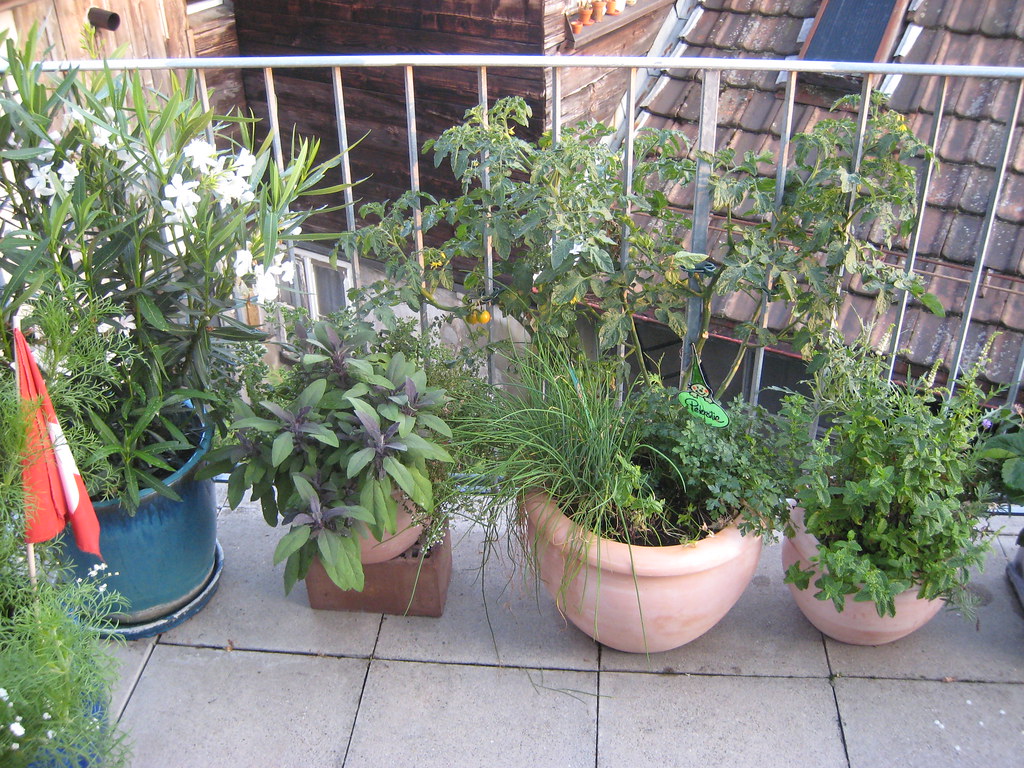
- High sill or sturdy cart pets cannot launch onto.
- Boot tray under everything — see landlord-safe checklist.
- Avoid open Kratky jars at cat nose height; if you DIY, use Homemade Kratky Kit on an elevated tray and supervise.
- Clip lights with secure clamps — chewing cords is a separate hazard (use cord covers / out-of-reach routing).
If a pet eats a plant
Contact a vet or poison hotline with the plant name. Do not wait on internet anecdotes. Remove remaining accessible greenery.
Key takeaway
Elevate mild culinary herbs, skip alliums if pets chew, and keep nutrient water covered. Low smell means smaller amounts — not a special “odorless” product.
FAQ
Can I grow herbs with a cat?
Many people do — with elevated pots and no chives/garlic greens in chew range. Confirm plants for your situation.
What is the least smelly apartment herb?
Parsley is a practical mild default. Smell also drops when you grow less plant mass.
Are hydroponic nutrients safe if a dog drinks the reservoir?
Do not let that happen. Cover reservoirs and clean spills; call a vet if ingestion occurs.